
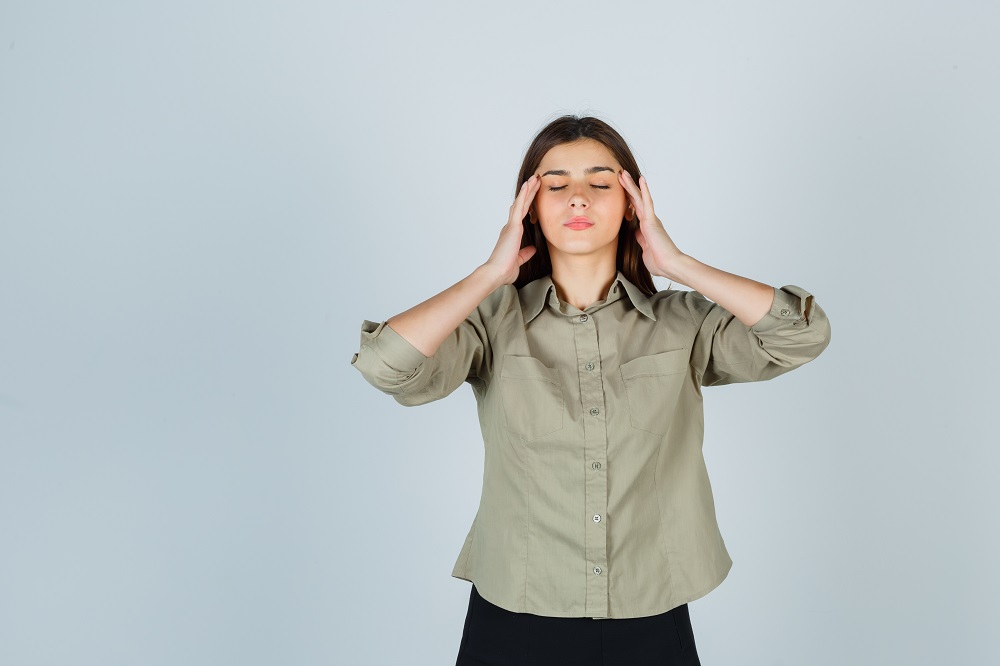
Dizziness & Vertigo in Summer: When to See a Neurologist
Summer in Alabama is synonymous with outdoor activities, vacations, sports, and long days spent in the sun. However, the season’s high temperatures and humidity can also contribute to increased symptoms such as lightheadedness, faintness, unsteadiness, and balance problems. While occasional dizziness after a hot day may seem harmless, persistent symptoms should not be ignored.
Many people experiencing dizziness in summer heat assume dehydration is the sole cause. Although dehydration and dizziness are closely linked, recurring episodes may indicate an underlying vestibular or neurological condition requiring professional evaluation.
In some cases, symptoms that appear to be heat-related may actually stem from disorders affecting the inner ear, brain, or nervous system.
Understanding the causes of dizziness & vertigo in Summer is especially important because symptoms can significantly affect mobility, safety, and quality of life.
Whether you are experiencing occasional balance issues, frequent vertigo episodes, or searching for a trusted dizziness doctor, this guide explains what may be causing your symptoms and when it may be time to seek neurological care.
Understanding the Difference Between Vertigo and Dizziness
National public health initiatives continue to emphasize early specialist evaluation for individuals with moderate-to-severe dizziness and balance disorders. According to the U.S. Department of Health and Human Services’ Healthy People initiative, more than 70% of adults with significant balance or dizziness problems have required evaluation by a healthcare specialist.
One of the biggest misconceptions among patients is that dizziness and vertigo are the same condition. Understanding the dizziness vs. vertigo difference is essential to get the right diagnosis and treatment.
What Is Dizziness?
Dizziness is a broad term used to describe sensations such as:
- Lightheadedness, faintness, unsteadiness
- Feeling weak or off-balance
- Feeling as though you may pass out
- Difficulty maintaining stability while walking
Dizziness may occur due to dehydration, low blood pressure, medication side effects, infections, anemia, cardiovascular issues, or neurological disorders.
People often report feeling dizzy after spending extended periods outdoors, particularly when in the sun. In many cases, fluid loss and overheating contribute to symptoms, but persistent episodes warrant further evaluation.
What Is Vertigo?
Vertigo is a specific type of dizziness characterized by the sensation that you or your surroundings are moving, spinning, or tilting when no movement is actually occurring.
Common symptoms include:
- A spinning sensation
- Nausea or vomiting
- Motion sensitivity
- Difficulty focusing visually
- Loss of balance
Unlike general dizziness, vertigo frequently originates from vestibular disorders affecting the inner ear or the brain’s balance centers.
Why the Difference Matters
Understanding the Dizziness vs. vertigo difference can help ensure patients receive appropriate care. While dehydration may trigger occasional dizziness, recurrent vertigo often requires evaluation by a neurologist, ENT specialist, or dizziness specialist to identify the underlying cause.
Why Are Dizziness and Vertigo More Common During Summers?
Many patients notice that episodes of dizziness & vertigo in Summer become more frequent as temperatures rise. This is not a coincidence. Several physiological factors make summer an especially challenging season for individuals prone to balance disorders.
Hot weather significantly increases the risk of fluid loss through sweating. The Centers for Disease Control and Prevention notes that dizziness is a common symptom of heat-related illness and dehydration, particularly during periods of prolonged heat exposure.
Dehydration and Fluid Loss
One of the most common explanations for dizziness in summer heat is dehydration.
When the body loses fluids through sweating, blood volume decreases. As a result, less oxygen-rich blood reaches the brain, increasing the likelihood of dizziness and faintness.
Symptoms associated with dehydration and dizziness may include:
- Dry mouth
- Fatigue
- Headaches
- Rapid heartbeat
- Reduced concentration
- Balance disturbances
Even mild dehydration can significantly impact individuals with pre-existing vestibular conditions.
Heat Exhaustion
Heat exhaustion develops when the body struggles to cool itself effectively. Symptoms may include:
- Heavy sweating
- Weakness
- Nausea
- Headaches
- Dizziness
- Muscle cramps
Without treatment, heat exhaustion can progress to heat stroke, which constitutes a medical emergency.
Blood Pressure Changes
Warm temperatures cause blood vessels to expand, lowering blood pressure. This can lead to temporary dizziness when standing up quickly, especially among older adults or those taking blood pressure medications.
Why Vertigo May Feel Worse During Summer
Many patients report that their vertigo worsens in summer and becomes a recurring issue.
Several factors may contribute:
- Increased dehydration
- Fatigue from outdoor activities
- Disrupted sleep patterns
- Increased migraine triggers
- Greater exposure to heat and sunlight
For individuals with vestibular disorders, summer often amplifies symptoms that may otherwise remain manageable during cooler months.
Dizziness in Women During Summer
Research suggests that dizziness in women may be influenced by several factors, including hormonal fluctuations, migraine disorders, pregnancy-related changes, and iron deficiency.
Women who are prone to vestibular migraines or blood pressure changes may notice an increase in symptoms during hot weather. Combined with dehydration and heat exposure, these factors can contribute to more frequent episodes of dizziness & vertigo in Summer.
Most Common Neurological & Vestibular Causes of Summer Dizziness
While dehydration is often the first explanation people consider, persistent symptoms frequently stem from vestibular or neurological disorders. Understanding these conditions can help know the causes and recognize the need for professional help.
Benign Paroxysmal Positional Vertigo (BPPV)
One of the most common causes of vertigo is Benign Paroxysmal Positional Vertigo (BPPV).
This condition occurs when tiny calcium carbonate crystals become displaced within the inner ear and interfere with normal balance signals.
Common BPPV symptoms and treatment considerations include:
- Brief episodes of spinning dizziness
- Symptoms triggered by head movement
- Difficulty turning in bed
- Loss of balance
Fortunately, many patients experience significant improvement with the Epley maneuver for BPPV, a specialized repositioning procedure that moves displaced crystals back into their proper position.
Vestibular Migraine
Many people associate migraines with severe headaches, but vestibular migraine symptoms often occur without significant head pain.
Common symptoms include:
- Dizziness
- Vertigo
- Motion sensitivity
- Visual disturbances
- Balance problems
Heat, dehydration, bright sunlight, and disrupted sleep schedules are common migraine triggers, making summer a particularly challenging season for affected individuals.
Menière’s Disease
Menière’s Disease is a chronic disorder affecting the inner ear and balance system.
Symptoms commonly include:
- Recurrent vertigo attacks
- Ringing in the ears (tinnitus)
- Hearing fluctuations
- Ear fullness or pressure
Patients with Menière’s Disease often report symptom flare-ups associated with dietary triggers, stress, or dehydration. During the summer months, fluid imbalance may contribute to worsening symptoms.
Vestibular Neuritis and Labyrinthitis
These inflammatory conditions affect structures within the inner ear that help regulate balance.
Symptoms may include:
- Sudden severe vertigo
- Nausea
- Difficulty walking
- Persistent imbalance
Recovery can take weeks or months, depending on the severity of inflammation and individual response to treatment.
Neurological Causes of Dizziness
Not all balance disorders originate within the inner ear. Certain conditions affecting the brain and nervous system can also produce dizziness and vertigo.
Common Neurological causes of dizziness include:
- Stroke
- Multiple sclerosis
- Parkinson’s disease
- Brain tumors
- Peripheral neuropathy
Patients frequently ask, “Can neuropathy cause dizziness?”
The answer is yes. Peripheral neuropathy can interfere with sensory feedback needed for balance, increasing the risk of instability and falls.
Because these neurological causes of dizziness can mimic more common vestibular disorders, evaluation by a neurologist may be necessary when symptoms persist or remain unexplained.
Warning Signs: When Summer Dizziness Is a Neurological Emergency
Although many cases of Dizziness & Vertigo in Summer are related to dehydration or temporary environmental factors, some symptoms require immediate medical attention. Recognizing the difference between a minor episode and a potential neurological emergency can be lifesaving.
- Sudden Weakness or Numbness
- Difficulty Speaking or Understanding Speech
- Severe Headache Accompanied by Dizziness
- Vision Changes
- Loss of Coordination or Difficulty Walking
Dizziness & Vertigo in Summer: When to See a Neurologist
Consider scheduling an evaluation with a Dizziness Specialist Huntsville, AL provider if you experience:
- Vertigo lasting longer than a few days
- Frequent balance disturbances
- Recurrent episodes triggered by movement
- Unexplained dizziness despite hydration
- Hearing changes alongside vertigo
If you are struggling with recurring episodes of dizziness & vertigo in the summer, seeking expert evaluation can help uncover the root cause and prevent symptoms.
At the Neurology Institute of Huntsville, patients have access to board-certified neurologists who provide neurological care for conditions such as migraines, stroke, neuropathy, seizures, memory disorders, and dizziness-related concerns.
The practice is led by experienced neurologists, including Dr. Jitesh Kar and Dr. Jeffrey Nguyen, and focuses on combining advanced neurological expertise with patient-centered care.
Early diagnosis often leads to more effective treatment and better long-term outcomes.
How to Prevent Summer Dizziness: Neurologist-Backed Strategies
The Centers for Disease Control and Prevention (CDC) advises clinicians to discuss hydration, heat exposure, medication interactions, and recognition of heat-related symptoms with patients during hot weather.
Prioritize Hydration
Because dehydration and dizziness frequently occur together, maintaining adequate fluid intake is one of the most effective preventive measures.
Try to:
- Drink water consistently throughout the day
- Increase fluid intake during outdoor activities
- Replace electrolytes after prolonged sweating
Limit Sun Exposure During Peak Hours
Reducing time outdoors during the hottest part of the day can help prevent heat exhaustion, dizziness, and other heat-related symptoms.
Maintain Consistent Sleep Habits
Poor sleep can worsen:
- vestibular migraine symptoms
- Balance disorders
- Neurological conditions
A regular sleep schedule may help reduce episodes of dizziness and vertigo.
Manage Migraine Triggers
For patients with vestibular migraines, avoiding known triggers such as dehydration, excessive sunlight, and skipped meals can reduce symptom frequency.
Monitor Existing Medical Conditions
Conditions such as diabetes, neuropathy, cardiovascular disease, and neurological disorders can all contribute to dizziness.
Proper management of these conditions is an important part of preventing recurrent symptoms.
Treatment Options for Dizziness and Vertigo
Effective treatment begins with an accurate diagnosis. Because dizziness can originate from multiple body systems, treatment plans vary based on the underlying cause.
Vestibular Rehabilitation Therapy
Vestibular rehabilitation involves exercises designed to help the brain adapt to balance dysfunction.
Benefits may include:
- Improved balance
- Reduced fall risk
- Better mobility
- Increased confidence during daily activities
Canalith Repositioning Procedures
For BPPV patients, the Epley maneuver remains one of the most effective non-invasive treatment options.
Many individuals experience significant symptom relief after treatment.
Medication Management
Depending on the diagnosis, medications may be prescribed to:
- Reduce vertigo symptoms
- Manage migraines
- Control nausea
- Treat inflammation
- Address neurological disorders
Treatment for Menière’s Disease
Patients diagnosed with Menière’s Disease often benefit from:
- Dietary modifications
- Sodium restriction
- Medication management
- Vestibular therapy
Because symptoms can fluctuate over time, ongoing monitoring may be necessary.
Advanced Neurological Evaluation
When symptoms stem from Neurological causes of dizziness, treatment focuses on managing the underlying condition.
Neurological evaluation may help identify:
- Stroke risk factors
- Multiple sclerosis
- Parkinson’s disease
- Peripheral neuropathy
- Other nervous system disorders
For patients seeking dizziness treatment in Huntsville, identifying the root cause remains the most important step toward long-term symptom relief.
Specialized Care for Vertigo
Individuals struggling with chronic vertigo often require a combination of therapies tailored to their diagnosis.
Those seeking vertigo treatment in Huntsville frequently benefit from:
- Vestibular rehabilitation
- Neurological evaluation
- Migraine management
- Balance retraining exercises
Patients throughout North Alabama often find that a comprehensive approach produces the best outcomes.
Conclusion
Experiencing occasional dizziness during Alabama’s hot summer months is not unusual. However, persistent symptoms should never be dismissed as simple dehydration.
Conditions such as BPPV, Menière’s Disease, vestibular migraine, and other neurological causes of dizziness can significantly impact balance, safety, and quality of life. Understanding the warning signs and seeking timely care can help prevent complications and support better long-term outcomes.
If you are struggling with recurring episodes of dizziness & vertigo in the summer, searching for a dizziness specialist in Huntsville, AL, a professional neurological evaluation can help identify the underlying cause and guide an effective treatment plan.
FAQs
Q1. Who to see for dizziness?
Ans: If dizziness is persistent, recurring, or affecting your daily activities, consider seeing a neurologist, ENT specialist, or dizziness specialist for a comprehensive evaluation.
Q2. What kind of doctor treats dizziness?
Ans: Neurologists, ENT physicians, and vestibular specialists commonly diagnose and treat dizziness and vertigo depending on the underlying cause.
Q3. Can neuropathy cause dizziness?
Ans: Yes. Neuropathy can affect balance and coordination by disrupting sensory signals that help the body maintain stability.
Q4. Why do I get dizzy in hot weather?
Ans: Dizziness in summer heat is often caused by dehydration, blood pressure fluctuations, overheating, or underlying vestibular conditions that become more symptomatic during warmer months.
Q5. When is dizziness a sign of stroke?
Ans: Dizziness may indicate a stroke when accompanied by facial drooping, weakness, speech difficulties, confusion, vision changes, or sudden loss of coordination.
Q6. Can dehydration cause vertigo?
Ans: While dehydration does not directly cause all forms of vertigo, dehydration and dizziness frequently occur together and may worsen existing vestibular disorders or trigger balance-related symptoms.
Medically Reviewed By
